Choosing the right paper bag packaging supplier can shape a brand’s daily operations, customer experience, and environmental reputation. Global buyers need more than attractive samples. They need dependable production, clear communication, verified materials, and consistent quality across large orders. A sturdy kraft bag should hold its shape during transport, while handles must remain secure under practical weight. Small details matter.
This guide examines leading paper bag packaging suppliers serving international buyers. It considers manufacturing experience, printing capabilities, material options, minimum order quantities, lead times, and export support. Certifications can provide useful evidence, but they should not replace careful supplier checks. Ask for factory photos, sample approvals, test reports, and production records. Verify claims independently when possible.
Real purchasing decisions are rarely perfect. A supplier may offer excellent printing but limited customization. Another may provide low prices but slower communication. These trade-offs deserve attention before signing an agreement. Buyers should also confirm carton dimensions, moisture protection, shipping terms, and quality-control procedures. A sample may look impressive under studio lighting yet perform differently in a busy retail store.
Details reveal reliability.
The suppliers featured here are assessed through practical criteria rather than promotional language alone. Their experience with international orders, responsiveness, product range, and ability to meet specifications all matter. Still, market conditions change, and no ranking remains permanent. Buyers should request current quotations and confirm production capacity directly. With disciplined evaluation, businesses can find paper bag packaging partners that support reliable delivery, stronger branding, and responsible purchasing.
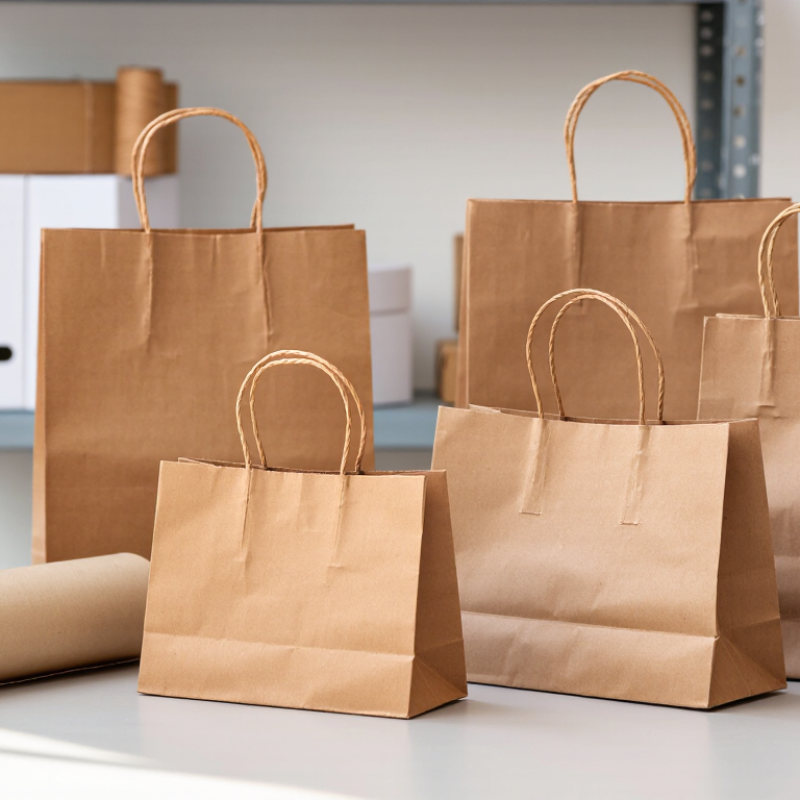
A reliable paper bag packaging supplier proves consistency before discussing price. Buyers should request samples from different production batches, not one polished prototype. Check handle strength, fold accuracy, glue lines, print registration, and moisture resistance. In practice, weak seams often appear after filling, stacking, or overnight storage. A supplier should provide documented test methods, batch records, and corrective-action reports.
Professional evidence matters. ISO 9001 certification supports controlled production, while ISO 14001 indicates a structured environmental management system. For responsibly sourced fibers, buyers can request valid chain-of-custody documentation and verify its scope. CEPI’s European Paper Industry Statistics 2023 reported a paper recycling rate of 79% in Europe during 2022. This figure supports paper’s recovery potential, but it does not prove every bag is recyclable. Coatings, inks, handles, and food contamination still require careful assessment. That detail is easy to miss.
Tips: Ask for basis weight, paper grade, recycled content, moisture limits, and shipping test results. Confirm lead times in writing, including approval delays and seasonal capacity. A supplier that answers clearly is usually safer than one offering vague sustainability claims. Still, no supplier gets every detail right. Packaging requirements change after real warehouse trials. Leave room for another sample round, because the first specification may be incomplete.
Top Paper Bag Packaging Suppliers for Global Buyers
Global buyers can choose from several paper bag types, each serving a different handling need. Kraft SOS bags have a square base and stand upright on shelves. They suit takeaway meals, groceries, and bulk products. Flat-handle bags remain economical for lightweight purchases. Twisted-handle bags offer a stronger grip and a more refined retail appearance. They work well for clothing, gifts, and boxed goods.
Pinch-bottom bags are useful for bread, snacks, and other dry products. Their narrow construction supports efficient packing and storage. Bakery bags may include a viewing window, but the window material should match local recycling requirements. For products exposed to moisture or oil, buyers may consider coated or laminated paper. These options improve resistance, although they can make recycling more complicated. No single bag fits every market.
Reliable purchasing depends on measurable specifications. Ask suppliers for paper weight, bag dimensions, handle load testing, ink details, and production tolerances. Food-related packaging should include suitable migration and safety documentation from the supplier. Recycled fiber can vary in shade and stiffness. That is not always a defect. It may reflect genuine material content, but buyers should approve a sample first. I would also test filled bags during transport, because a strong-looking handle can still fail under uneven weight. Small details matter. Some suppliers offer customization, yet excessive printing or oversized structures can increase cost and material use. A practical design balances shelf appeal, carrying comfort, and disposal conditions in the destination market.
Reliable paper bag sourcing starts with measurable quality, not attractive samples alone. Check paper weight, fiber composition, and burst strength for each intended use. A grocery bag needs stronger construction than a lightweight retail carrier. Ask suppliers for production samples, laboratory reports, and recent quality records. Inspect the bottom fold, side seams, handle attachment, and print alignment. Small defects often appear after filling, not during a showroom inspection.
Food-contact applications require suitable materials, inks, adhesives, and migration testing. Request documentation for recycled content, chemical safety, and applicable packaging standards in the destination market. Traceable raw materials strengthen supplier accountability. Factory audits can also verify equipment maintenance, worker training, and process controls. However, certificates alone cannot guarantee consistent delivery. Compare batch records, defect rates, lead times, minimum order quantities, and export experience. No checklist is perfect. Review it after every shipment.
Tips: Order a pilot batch before signing a long-term agreement. Test bags with realistic weight, humidity, stacking, and transport handling. Confirm tolerances in writing, including dimensions, color variation, handle length, and acceptable defect limits. Keep approved samples for future comparison. A dependable supplier should explain problems clearly and provide corrective actions. Silence is a warning sign. Also review packaging for shipment, pallet stability, moisture protection, and labeling accuracy. These details can protect quality when goods cross several climates and distribution points.
International buyers should examine certification scope, not just certification logos. Reliable suppliers can provide current ISO 9001 records, responsible forestry certificates, and food-contact compliance where required. Documents should identify the factory, covered products, and renewal dates. Ask for test reports on strength, moisture resistance, ink migration, and handle performance. Paper quality varies more than many buyers expect.
Customization begins with practical specifications. Suppliers should support different paper weights, bag dimensions, handle styles, printing methods, and bottom constructions. A good technical team checks artwork resolution, color references, folding tolerance, and packing efficiency before production. Samples matter. They reveal weak seams, uneven printing, or handles that feel uncomfortable after repeated use. Digital previews alone can hide these problems.
Production capability also deserves close review. Look for controlled material storage, documented inspections, and batch traceability from paper rolls to finished cartons. Suppliers with in-house printing and converting may offer better coordination, while specialized partners can sometimes provide stronger finishing quality. Neither model is automatically superior. Lead times should include sampling, approval, production, and export preparation. Some suppliers promise fast delivery but overlook seasonal capacity limits. That should make buyers cautious. A detailed factory audit, realistic trial order, and clear corrective-action process provide stronger evidence than polished sales claims.
Top Paper Bag Packaging Suppliers for Global Buyers
International paper bag purchasing requires more than comparing unit prices. A reliable supplier should provide clear specifications, export experience, and consistent quality control. Request samples showing paper weight, handle strength, printing accuracy, and moisture resistance. A bag that looks excellent in a sample may perform differently during mass production.
Shipping costs can change the final price sharply. Ask for carton dimensions, gross weight, pallet details, and the estimated production schedule. Compare quotes under the same Incoterm, such as FOB or CIF. Small bags may ship efficiently by sea freight, while urgent orders often need air transport. Freight rates move often. Confirm them before payment.
Import planning also needs practical attention. Check the correct product classification, local duties, labeling rules, and required customs documents with an experienced broker. Suppliers should prepare commercial invoices, packing lists, and transport documents accurately. Confirm the minimum order quantity and payment terms in writing. A lower unit price may hide expensive tooling, storage, or port charges. My own purchasing reviews have shown that carton measurements are sometimes estimated too loosely. Recheck them before booking freight. Mistakes happen. A pre-shipment inspection, even for a modest order, can reveal weak handles, color differences, or crushed corners before the cargo leaves.
Indicative landed-cost planning model for 10,000 standard kraft paper bags shipped internationally. The figures show how product, freight, import handling, and inland delivery can affect the final buying budget.
Planning example: product cost is estimated at US$86 per 1,000 bags, ocean freight at US$18, customs and port handling at US$12, and inland delivery at US$9. Actual costs vary by bag size, paper grade, printing, order volume, destination, Incoterms, tariffs, and shipping season.