Back to top

2026 Best Printed Kraft Bags for Wholesale Buyers

Wholesale packaging is entering 2026 with sharper expectations. Buyers want attractive bags, dependable supply, and measurable sustainability.

The global paper bags market was valued at approximately USD 5.3 billion in 2023, according to Grand View Research. Its report projects continued growth through 2030. Smithers also identifies sustainability, fiber-based formats, and improved barrier performance as important packaging trends. These findings support stronger demand for printed kraft bags across retail, food service, gifting, and specialty products.

The details matter. A kraft bag must stand upright beside a checkout counter. Its handles should survive a short walk with two glass jars. Printing must remain clear after folding, stacking, and warehouse handling. A low unit price means little if damaged bags create returns or delayed orders.

Ellen MacArthur, a leading circular-economy authority, states, “A circular economy is based on the principles of designing out waste and pollution, keeping products and materials in use, and regenerating natural systems.” Her principle offers a useful test for packaging decisions. Paper alone does not guarantee circularity.

Printing coverage, inks, coatings, adhesives, transport distance, and recovery systems all influence performance. Some buyers still overvalue appearance. That can be an expensive mistake.

This 2026 guide compares printed kraft bags for wholesale purchasing. It considers paper strength, handle construction, print quality, customization, minimum order quantities, lead times, and supplier documentation. Reported market growth is encouraging, but no report can replace physical sampling and realistic load testing. The best choice is practical, traceable, and suitable for its actual use.
2026 Best Printed Kraft Bags for Wholesale Buyers

What Are Printed Kraft Bags and Why Do They Matter in 2026?

Printed kraft bags are paper carry bags printed with logos, product details, colors, or seasonal artwork. They combine practical packaging with visible brand communication. In 2026, wholesale buyers increasingly examine more than appearance. They ask about fiber content, ink safety, bag strength, and end-of-life handling.

From my packaging evaluations, small details often decide performance. A bag holding cosmetics needs different construction from one carrying books. A 32-centimeter twisted handle may feel comfortable, while a thin cord handle can strain under weight. Buyers should request samples and test them with real products. Check the bottom fold, handle attachment, paper thickness, and print alignment. Do not trust a digital proof alone.

Sustainability claims also need careful review. Kraft paper may contain recycled fibers, but it is not automatically a better choice. Heavy coatings can complicate recycling. Dark, dense printing can also change the bag’s recovery profile. Ask suppliers for material specifications, ink information, and relevant test records. Keep those documents with the purchase order.

Details matter most.

Printed kraft bags also affect customer experience. A clean logo, readable care information, and consistent color can make a simple retail purchase feel more considered. Yet natural paper has visible grain, so colors may vary slightly between production runs. That limitation deserves honest planning, not exaggerated promises.

Key Types, Sizes, and Uses of Printed Kraft Bags

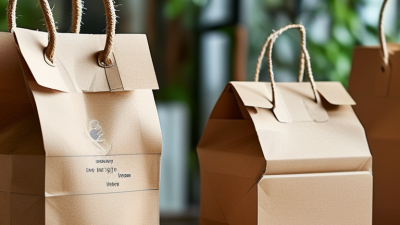
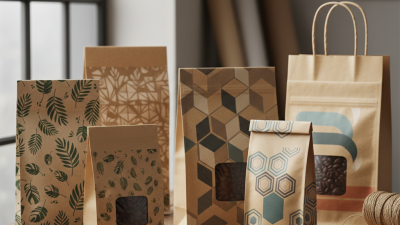
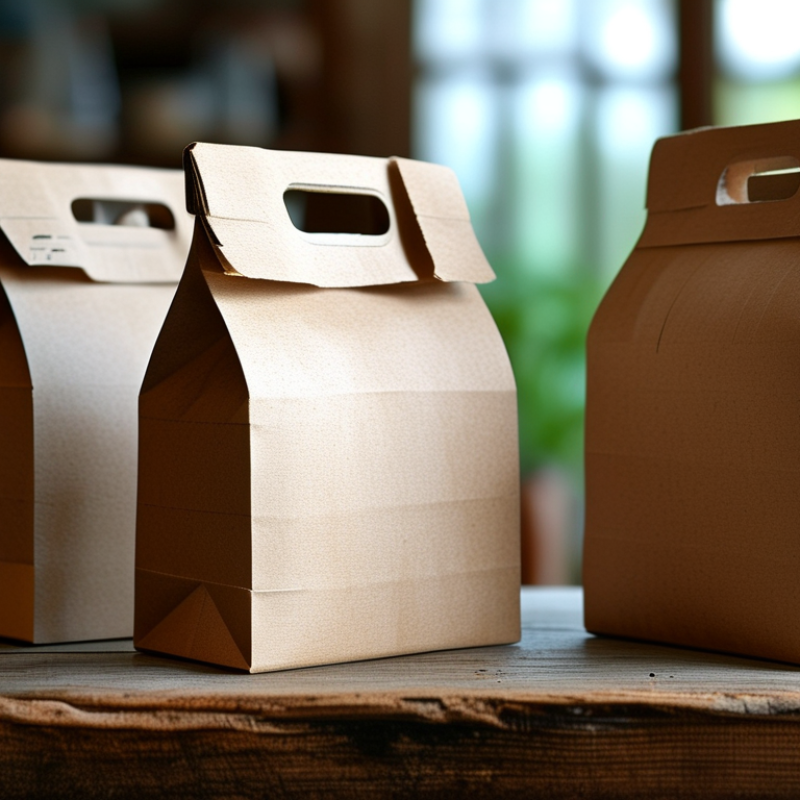
Printed kraft bags remain practical for wholesale packaging, especially where shelf presentation and easy carrying matter. Key types include flat-handle, twisted-handle, pinch-bottom, and SOS bags. Flat-handle styles suit takeaway meals and bakery orders. Twisted handles feel stronger for heavier retail purchases. SOS bags stand upright and load quickly.

Common sizes range from small 18 × 10 × 22 cm bags to larger 32 × 17 × 40 cm formats. Small bags fit coffee, cosmetics, and small gifts. Medium sizes carry sandwiches, boxed meals, or folded clothing. Large bags work for shoes, groceries, and multi-item orders. Always test the gusset. A wide base may improve stability more than extra height.

According to Smithers’ sustainable packaging outlook, paper-based packaging continues gaining attention as businesses seek recyclable fibre formats. Mordor Intelligence also identifies steady growth in the global paper bags market, supported by foodservice and retail demand. These reports indicate opportunity, not guaranteed sales. Wholesale buyers should check paper weight, handle attachment, moisture resistance, print coverage, and carton quantity. A 90–120 gsm bag may suit light products, while heavier goods often need reinforced bases. Colors can vary between production runs. That detail is easy to overlook. Sample testing with the actual product remains the safer purchasing decision.

2026 Best Printed Kraft Bags for Wholesale Buyers - Key Types, Sizes, and Uses of Printed Kraft Bags
Bag Type Typical Size
(Width × Gusset × Height)
Common Paper Weight Handle or Closure Typical Practical Load Best Uses Recommended Printing Wholesale Selection Notes
Flat Paper Bag 18 × 8 × 24 cm
7.1 × 3.1 × 9.4 in
50–80 GSM kraft paper No handle; open top Approximately 0.5–1.5 kg
1.1–3.3 lb
Small bakery items, sandwiches, snacks, stationery, takeaway accessories Flexographic printing for simple logos, text, and one- to three-color designs Cost-effective for high-volume orders; select grease-resistant paper or an approved food-contact lining for oily foods.
Stand-Up SOS Bag 18 × 11 × 27 cm
7.1 × 4.3 × 10.6 in
60–100 GSM kraft paper Self-opening square bottom; no handle Approximately 1–3 kg
2.2–6.6 lb
Quick-service meals, groceries, produce, pharmacy goods, and convenience retail Flexographic printing; suitable for repeating patterns and large coverage areas Efficient for automated packing and pallet storage; the square bottom improves stability when filled.
Twisted Paper Handle Bag 26 × 12 × 35 cm
10.2 × 4.7 × 13.8 in
80–110 GSM kraft paper Twisted paper cord handles; glued or reinforced handle patches Approximately 3–6 kg
6.6–13.2 lb
Clothing, footwear, gifts, books, cosmetics, and general retail purchases Flexographic or offset-laminated printing for logos, illustrations, and multi-color artwork Check handle attachment, bottom-fold strength, and internal reinforcement when carrying heavier products.
Flat Paper Handle Bag 32 × 16 × 42 cm
12.6 × 6.3 × 16.5 in
90–120 GSM kraft paper Flat paper handles with reinforced top and handle areas Approximately 4–8 kg
8.8–17.6 lb
Supermarket purchases, apparel, household products, and larger retail packaging Flexographic printing for economical large runs; offset printing for detailed graphics Suitable for high-volume retail use; verify handle tear resistance and the bag’s flat-packed shipping volume.
Wine and Bottle Bag 14 × 10 × 39 cm
5.5 × 3.9 × 15.4 in
100–170 GSM kraft paper Twisted paper handles, flat handles, or reinforced die-cut handles Approximately 1–3 kg
2.2–6.6 lb
Single bottles, gift bottles, specialty beverages, and promotional packaging Flexographic or offset printing; spot color printing is common for premium designs Use a reinforced base and side gussets; confirm the internal dimensions against the bottle diameter and height.
Bakery Window Bag 18 × 8 × 24 cm
7.1 × 3.1 × 9.4 in
60–100 GSM kraft paper Fold-over top, adhesive strip, or tuck closure; transparent window may be included Approximately 0.5–2 kg
1.1–4.4 lb
Bread, pastries, cookies, sandwiches, and other bakery products Flexographic printing on the kraft exterior; window material should be specified separately For direct food contact, confirm that the paper, ink, adhesive, and window material comply with the destination market’s requirements.
Takeaway Food Bag 26 × 17 × 25 cm
10.2 × 6.7 × 9.8 in
70–110 GSM kraft paper Twisted paper handles or handle-free folded top Approximately 2–5 kg
4.4–11.0 lb
Meal boxes, takeaway containers, drinks, catering orders, and delivery packaging Flexographic printing with water-based or other suitable food-packaging ink systems Consider moisture resistance, leak protection, ventilation, and a reinforced bottom for hot or heavy food containers.
Luxury Boutique Bag 24 × 12 × 32 cm
9.4 × 4.7 × 12.6 in
120–180 GSM kraft paper Cotton cord, grosgrain ribbon, or premium twisted paper handles Approximately 2–5 kg
4.4–11.0 lb
Premium apparel, jewelry, cosmetics, gifts, exhibitions, and event merchandise Offset printing, embossing, debossing, foil stamping, or selective coating Higher paper weight and finishing increase cost; request a pre-production sample to check color, handle placement, and surface quality.
Die-Cut Handle Paper Bag 22 × 10 × 28 cm
8.7 × 3.9 × 11.0 in
100–160 GSM kraft paper Integrated die-cut handle with reinforced top fold Approximately 1–3 kg
2.2–6.6 lb
Promotional events, small retail products, food gifts, and compact merchandise Flexographic or offset printing; full-coverage artwork is possible with suitable paper and ink selection Offers a clean, handle-free appearance; confirm die-cut tolerances and top-edge strength before placing a large order.
Heavy-Duty Grocery Bag 32 × 18 × 35 cm
12.6 × 7.1 × 13.8 in
100–140 GSM kraft paper; multi-ply options available Twisted or flat paper handles with reinforced bottom Approximately 5–10 kg
11.0–22.0 lb
Groceries, packaged foods, household supplies, books, and larger retail products Flexographic printing for repeat branding and broad coverage Choose based on product weight, moisture exposure, handle construction, bottom reinforcement, and shipping conditions.

Specification note: Dimensions are normally listed as width × gusset × height. Load figures are practical planning ranges rather than guaranteed capacities; actual performance depends on paper strength, bag construction, handle attachment, moisture, product shape, and packing method.

How to Compare Materials, Printing Methods, and Bag Quality

2026 Best Printed Kraft Bags for Wholesale Buyers

Choosing printed kraft bags requires more than comparing a quoted unit price. Material strength, print performance, and factory consistency can change the real cost. Virgin kraft paper usually offers better tear resistance for heavier products. Recycled kraft can provide a natural appearance, but its surface may show small color variations. Check the paper weight, commonly measured in GSM, and match it with the intended load.

Printing methods also affect appearance and budget. Flexographic printing suits large orders with simple artwork and controlled colors. Digital printing works well for shorter runs or detailed designs, though the cost per bag may increase.

Ask for a physical proof. Screen images often hide ink absorption and slight registration errors. Inspect the handles, bottom folds, glued seams, and opening shape. A practical supplier should provide load tests and production samples, not only attractive photos.

Tips: Compare samples under similar lighting. Rub the printed area with a dry cloth. Check whether the ink transfers. Measure ten bags, not one, because size differences can affect packing efficiency. My early purchasing mistake was trusting a perfect sample without testing a full carton. The shipment looked acceptable, but several handles loosened during packing. That experience still matters. Request batch tolerances, packaging details, and a clear inspection process before approving a wholesale order. Small defects happen. Unexplained defects are different.

What Wholesale Buyers Should Check Before Placing an Order

2026 Best Printed Kraft Bags for Wholesale Buyers

What Wholesale Buyers Should Check Before Placing an Order

A printed kraft bag can look attractive online and still fail during delivery. Check the paper weight, handle attachment, and bottom fold. A 100–120 gsm bag may suit light items, while heavier products need stronger paper or reinforced construction. Ask for a physical sample.

Fill the sample with your heaviest planned product. Lift it several times. Place it on a damp surface and rub the printed area with a white cloth. Ink transfer, loose handles, or a weak base will appear quickly. The bag should also match your required width, height, and gusset depth. Small sizing errors can affect packing speed.

Printing quality deserves careful review. Request a digital proof and confirm colors, logo placement, text, and barcode readability. Matte paper can absorb ink, so fine details may appear softer than expected. Ask about ink durability and whether the supplier can provide consistent color across batches. Do not rely on one approved sample alone.

Wholesale buyers should also verify minimum order quantity, production time, carton counts, and shipping protection. Confirm how rejected units are handled. A low unit price may hide excess packaging or frequent defects. I have learned that rushed approvals create expensive corrections later. Leave time for one final inspection. Mistakes still happen. Plan for them.

How to Choose a Reliable Printed Kraft Bag Supplier in 2026

A reliable printed kraft bag supplier should prove performance, not only show attractive samples. Grand View Research estimates the global paper bags market reached about USD 5.2 billion in 2023, with a projected 4.9% CAGR through 2030. This growth increases supplier competition, but quality can vary sharply.

Request the bag’s GSM, burst strength, handle pull-test results, and ink specifications. Check whether production samples match the approved artwork, color, and dimensions. Small differences become expensive at wholesale scale.

Tips:

Ask for a pre-production sample and a written inspection standard. Confirm minimum order quantity, production lead time, packaging method, and replacement terms.

Supplier traceability also matters. The 2024 Smithers paper-packaging outlook highlights sustainability, recyclability, and supply-chain transparency as continuing market priorities. Therefore, request credible material documentation instead of vague “eco-friendly” claims. Verify recycled content, paper origin, and applicable food-contact evidence when needed.

Do not judge reliability from one successful shipment. That is a weak test. Review recent batch records, communication speed, and corrective-action procedures.

A supplier may offer a low price but use thinner paper or inconsistent printing later. I would also compare three samples under real conditions: filled weight, handle stress, moisture exposure, and stacking.

Perfect forecasting is impossible. Still, measurable checks reduce unpleasant surprises.

X