2026 Top Trends in Paper Bags for Sustainable Packaging Solutions?
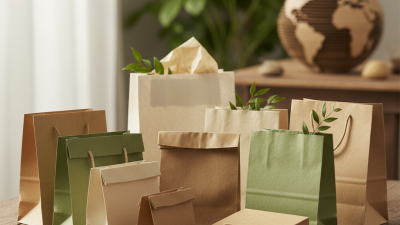
In recent years, the demand for sustainable packaging has surged. Companies are increasingly turning to paper bags. These bags offer a greener alternative to plastic. Their biodegradability makes them a popular choice among eco-conscious consumers.
As we look ahead to 2026, several trends are emerging in the paper bag industry. Innovations in design and functionality are pushing boundaries. Brands are experimenting with textures and prints to enhance aesthetics. Moreover, there’s a shift towards utilizing recycled materials in production.
However, challenges remain. Not all paper bags are created equal. Some still rely on coatings that hinder recycling. An ongoing commitment to improvement is essential. The journey towards fully sustainable solutions is just beginning. Embracing imperfections in the process can lead to meaningful change.
2026 Sustainable Packaging Landscape: The Rise of Paper Bags
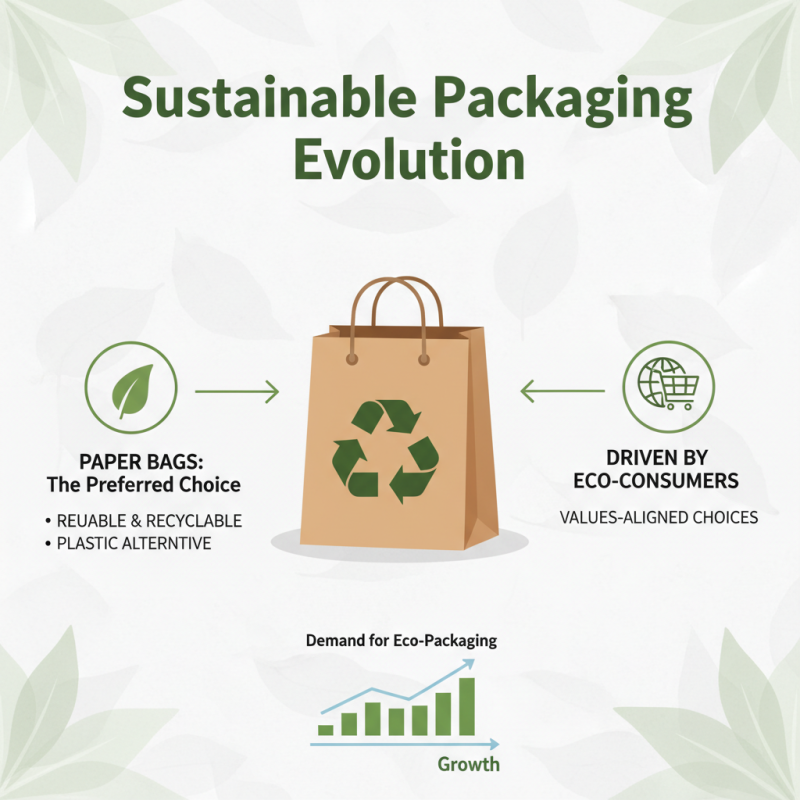
The sustainable packaging landscape is evolving rapidly. Paper bags are becoming a preferred choice for many businesses. Their appeal lies in their reusable and recyclable nature. These bags provide a viable alternative to plastic, which harms the environment. Eco-conscious consumers are driving this shift. They seek products that align with their values.
In 2026, we may see even more innovations in paper bags. Some designs might use plant-based inks and coatings. This could enhance their functionality while remaining environmentally friendly. However, there are challenges. Not all paper bags are created equally. Some still rely on non-renewable resources. Ensuring the sustainability of materials is essential. Brands must be transparent about their sourcing.
The emergence of biodegradable options also raises questions. How will these products break down in various environments? Education is key for both consumers and manufacturers. Awareness about proper disposal practices can enhance sustainability efforts. As the market continues to grow, the journey toward truly sustainable paper bags is just beginning.
Innovative Designs in Paper Bags for Eco-Friendly Packaging
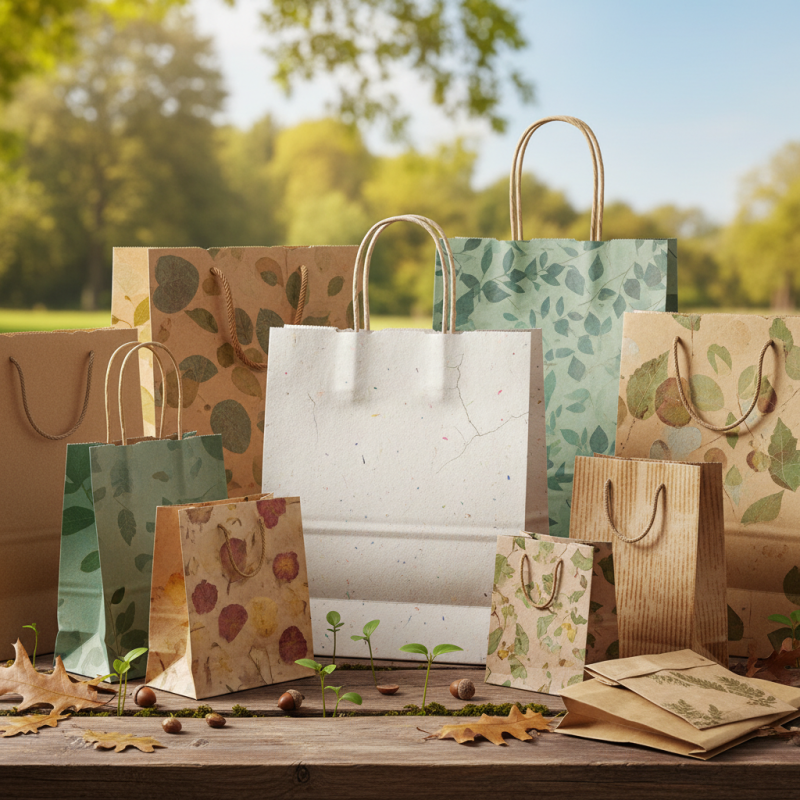
In recent years, paper bags have emerged as a leading solution for eco-friendly packaging. Their innovative designs are stirring excitement in various industries. Bright colors and unique shapes catch the eye, offering an appealing way to promote sustainability. Some bags have interesting textures, enhancing the tactile experience. These elements not only attract consumers but also convey a commitment to the environment.
However, not all designs are practical. Some might look great but lack functionality. For instance, certain paper bags can be too flimsy, making them less reliable for heavy items. This oversight raises questions about the balance between aesthetics and durability. Designers must consider these aspects more carefully. Innovation should not sacrifice utility for visual appeal.
Another trend involves incorporating reusable features into paper bags. Some designs allow for foldable or collapsible options. These adaptations seek to cater to eco-conscious consumers, promoting longevity. Yet, challenges persist. Many consumers still prefer plastic due to its convenience. Bridging this gap remains a critical task, pushing for constant evolution in design. It’s a journey filled with both progress and setbacks.
Key Materials Driving the Evolution of Paper Bags
The evolution of paper bags in sustainable packaging is marked by innovative materials. A recent report from Smithers Pira highlights that the global paper bag market is projected to reach over $4 billion by 2026. This surge is partly due to the shift towards eco-friendly materials. Recycled paper, for instance, is gaining traction. It reduces waste while providing a durable option for consumers.
Biodegradable coatings have also emerged as a game-changer. They enhance water resistance without sacrificing sustainability. Such advancements make paper bags more versatile for various products. Yet, the industry faces challenges. Some biodegradable options may not decompose efficiently in certain environments. Awareness of this issue is crucial. Brands must communicate clarity to consumers regarding the disposal of these bags.
Additionally, the sourcing of raw materials plays a critical role. The industry leans towards responsibly sourced fibers. Forest Stewardship Council (FSC) certified materials are becoming standard. However, tracking the supply chain remains a complex task. Transparency is needed to assure consumers that their choices truly benefit the environment. The journey of paper bags is still evolving, but the focus on sustainable materials is driving positive change.
Consumer Preferences Shaping the Future of Paper Bag Usage
In recent years, consumer preferences have heavily influenced the shift towards paper bags. Many people are becoming more environmentally conscious. They seek eco-friendly alternatives to plastic. This change is evident in shopping habits. More consumers choose paper bags over single-use plastics. They appreciate the biodegradable nature of paper.
However, not all paper bags are created equal. Some still contain harmful chemicals. The choice of materials matters greatly. Consumers are demanding transparency. They want to know where the paper comes from and how it is processed. Companies must adapt to these demands. There is a growing need for sustainable sourcing practices that ensure long-term viability.
Some consumers, however, remain skeptical. They question the overall impact of paper versus plastic. This shows a gap in awareness. As brands explore sustainable options, educating consumers is crucial. Clear communication about the benefits of paper bags can help. It could bridge the gap and build trust among environmentally conscious shoppers.
Regulatory Trends Impacting Paper Bag Packaging Solutions
The rise of regulations on paper bag packaging is reshaping industry practices. Governments are introducing laws aimed at reducing plastic waste. These rules push brands towards more sustainable solutions. The shift demands accountability. Companies must prove their commitment to eco-friendly materials.
New guidelines often focus on recyclability and biodegradability. Compliance can be challenging. Not all paper bags meet stringent criteria. This creates confusion among consumers. Some bags labeled as recyclable may not be so. Education on these topics is crucial.
Moreover, regulatory measures vary globally. A standard in one region may not apply in another. This inconsistency complicates production processes. Brands struggle to keep up with updates. They must invest in research and development. This can lead to increased costs and slower product launches. Balancing sustainability and business viability is a constant challenge.