Top 10 Printed Shopping Bags You Should Consider Today?
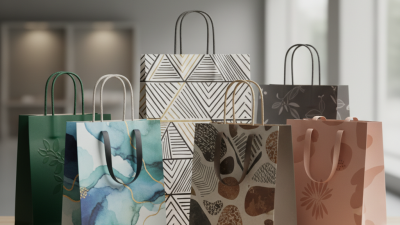
In today's eco-conscious world, printed shopping bags have gained significant popularity. They not only serve a practical purpose but also enhance brand visibility. With so many options available, choosing the right bag can be overwhelming.
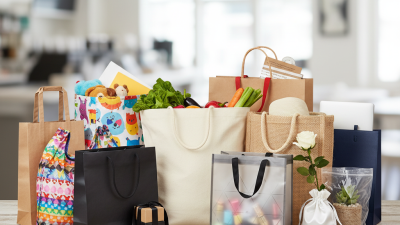
These bags come in various designs, materials, and sizes, which can impact their usability. Consumers often seek bags that reflect their personality and values. The appeal of printed shopping bags lies in their versatility. They can be used for groceries, gifts, or even as fashion statements.
However, not all printed shopping bags are created equal. Some may lack durability or style. It's essential to consider factors like material quality and print longevity when selecting a bag. While these bags can promote sustainability, flaws in design can impact customer satisfaction. The goal is to find bags that are both functional and visually appealing. In this guide, we will explore the top 10 printed shopping bags to help you make an informed decision.
Understanding the Importance of Printed Shopping Bags in Modern Retail
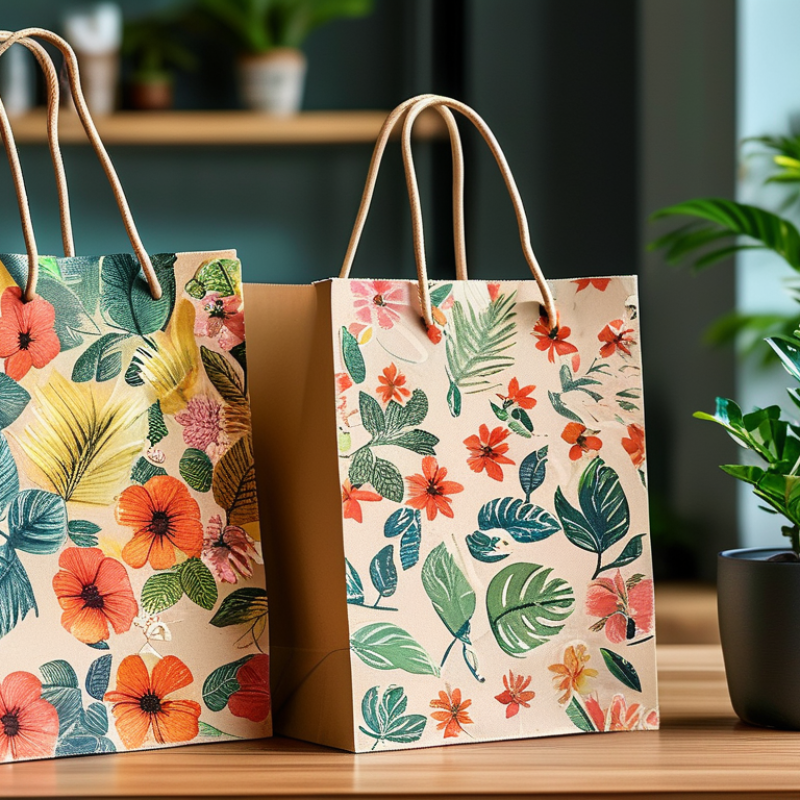
Printed shopping bags play a crucial role in modern retail. They serve not just as carriers, but also as marketing tools. According to a recent industry report, brands using printed packaging see a 30% increase in customer engagement. This engagement often translates to better sales. Customers appreciate the aesthetics of well-designed bags. They create a memorable experience, fostering brand loyalty.
Moreover, sustainability is another layer of importance. A study indicated that over 60% of consumers prefer eco-friendly packaging. As the retail landscape shifts, using printed bags made from sustainable materials can enhance a brand's reputation. Retailers need to reflect on their choices. Are they merely following trends, or are they genuinely committed to sustainability?
The visual appeal of printed bags cannot be overstated. Studies suggest that bags with unique designs enhance brand recall significantly. Consider how designs can align with brand identity. Reflecting on past campaigns can provide insights. Not every design will resonate. Understanding customer preferences is key to avoiding wasted resources.
Top 10 Printed Shopping Bags You Should Consider Today
| Bag Type |
Material |
Size (L x W x H) |
Printing Method |
Sustainability |
| Tote Bag |
Canvas |
15 x 13 x 5 inches |
Screen Printing |
Biodegradable |
| Shopping Bag |
Recycled Paper |
12 x 8 x 10 inches |
Flexography |
Recyclable |
| Drawstring Bag |
Polyester |
16 x 12 inches |
Heat Transfer |
Durable |
| Wine Tote |
Cotton |
10 x 7 x 12 inches |
Silkscreen |
Eco-Friendly |
| Lunch Bag |
Insulated Fabric |
11 x 6 x 9 inches |
Digital Printing |
Reusable |
| Gift Bag |
Kraft Paper |
8 x 4 x 10 inches |
Offset Printing |
Recyclable |
| Beach Bag |
Nylon |
20 x 15 x 8 inches |
Sublimation |
Water-Resistant |
| Folding Bag |
Polypropylene |
14 x 10 x 6 inches |
Screen Printing |
Recyclable |
| Backpack Bag |
Canvas |
18 x 12 x 6 inches |
Embroidery |
Durable |
| Produce Bag |
Mesh |
10 x 12 inches |
Digital Printing |
Compostable |
Key Features to Look for in Quality Printed Shopping Bags
When selecting quality printed shopping bags, consider the material. Eco-friendly options, like recycled paper or biodegradable plastics, are popular. A report by Smithers Pira highlights that the global market for sustainable packaging will reach $400 billion by 2027. This trend emphasizes the growing demand for bags that don’t harm the environment.
Durability is also crucial. A bag that tears easily won’t meet customer needs. According to a research study from Market Research Future, 62% of consumers prioritize durability when choosing bags. Reinforced handles or seams can enhance the overall strength of printed shopping bags, ensuring they can carry heavier items without ripping.
Design elements matter too. Clear branding can make a significant impact. A visually appealing bag can increase brand visibility. Companies that invest in high-quality designs report a 37% higher return on investment. However, overspending on flashy designs can lead to lost budget opportunities. Balancing aesthetics with functionality is essential.
Top 10 Eco-Friendly Printed Shopping Bag Options Available Today
Choosing eco-friendly printed shopping bags is a responsible step for the environment. Many options exist that are both functional and sustainable. These bags often use recycled materials, which reduces waste and energy consumption. For example, cotton and jute bags are popular choices. They are durable and can carry heavy items. When you select bags made from natural fibers, you support sustainable farming practices.
Printed shopping bags also allow for creative expression. Brands and individuals can personalize their designs, making them unique. This aspect can enhance branding while spreading awareness about eco-friendliness. However, not every printed design is environmentally friendly. Some inks can be toxic, so it's essential to choose non-toxic options. Researching is crucial. Consider the lifecycle of the bag—how it’s made and what happens after use.
A common mistake is overlooking the importance of reusability. People often buy plastic bags for convenience, leading to waste. In contrast, eco-friendly bags can be used countless times. This habit can make a significant impact. Reflecting on choices can lead to better decisions for the planet. Embracing these bags means investing in a cleaner future.
Evaluating Customization Options for Printed Shopping Bags
When selecting printed shopping bags, customization options play a crucial role. A well-designed bag can enhance brand visibility. Consider the materials used. Eco-friendly options are gaining popularity. They appeal to environmentally conscious consumers. Different printing techniques can create unique designs. Options include screen printing and digital printing. Each has its pros and cons.
Color choice is essential for effective branding. Bright colors capture attention, while muted tones convey sophistication. Think about the bag size too. A smaller bag may suit boutique items, while larger bags are ideal for groceries. Shapes can also affect usability. A functional design can enhance customer experience.
However, customization comes with challenges. Sometimes, the printing process might not deliver expected colors. Quality control is vital. It’s important to ensure that bags meet durability standards. This process can sometimes lead to delays. We need to reflect on our goals. What message does the bag send about the brand? Are we leading with convenience or sustainability?
Comparing Costs: Printed Shopping Bags vs. Traditional Paper and Plastic Bags
The trend of using printed shopping bags is on the rise. Many consumers are shifting from traditional paper and plastic bags to these more personalized options. This shift raises an important question: Are printed bags worth the investment compared to conventional bags?
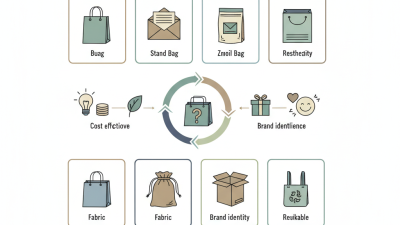
Cost is a significant factor when choosing between printed shopping bags and traditional ones. Printed bags often have a higher upfront cost due to their design and material. However, they offer durability and reusability, making them a smarter long-term purchase. In contrast, paper and plastic bags are cheaper but not as environmentally friendly. They often contribute to waste and pollution.
Consider also how consumers perceive value. Shopping with a stylish printed bag can enhance the overall experience. Yet, the decision can feel overwhelming. This is where personal preference plays a crucial role. Some might prioritize sustainability, while others may focus strictly on cost. Finding a balance that works for you is essential and sometimes complicated.
Cost Comparison of Printed Shopping Bags vs. Traditional Paper and Plastic Bags