2026 How to Choose the Best Paper Bags for Your Needs?
Choosing the right paper bags for your needs can be a challenge. Expert in sustainable packaging, Sarah Thompson, emphasizes, "Not all paper bags are created equal." Understanding your requirements is the first step. Different uses call for different types of paper bags, from retail to food service.
Consider durability and design. Some bags are lightweight, while others are sturdier. Customers might prefer eco-friendly options, which can be more expensive. The balance between cost and quality often leads to dilemmas. Many brands offer various sizes and styles, complicating the decision-making process.
Explore the materials too. Some paper bags are made from recycled content. Others might be coated for water resistance. A careful choice impacts not just aesthetics but also functionality. The world of paper bags is vast, and thoughtful consideration can yield better outcomes for both your needs and the environment.
Understanding Different Types of Paper Bags Available in the Market
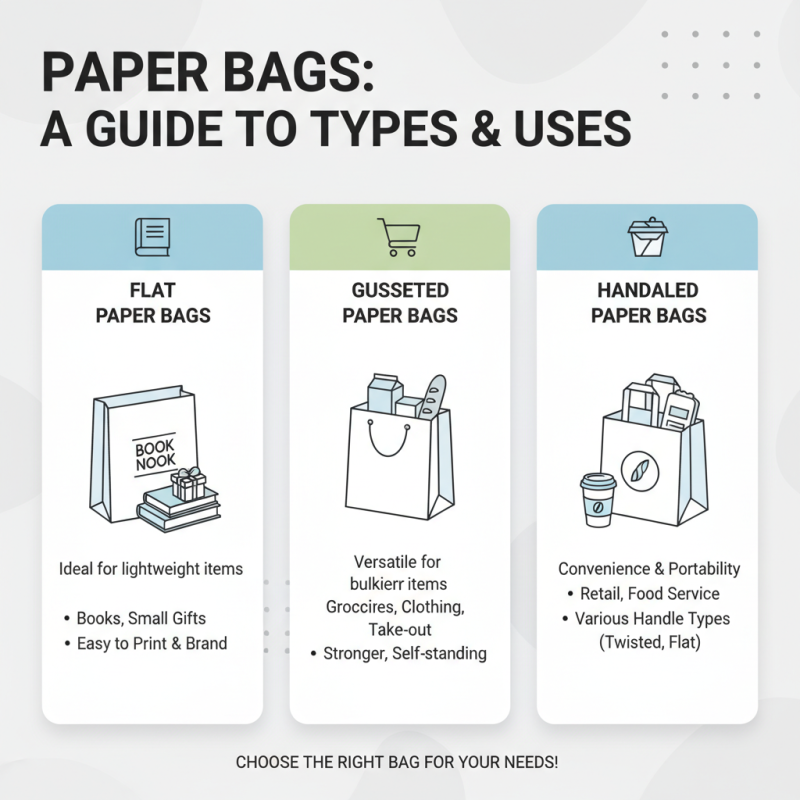
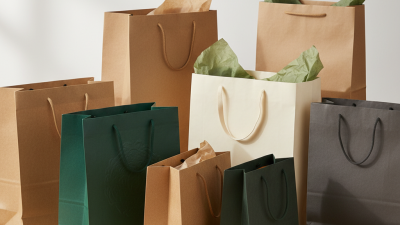
When selecting paper bags, it’s essential to understand the variety available. Different types serve distinct purposes. Flat paper bags are ideal for lightweight items. These are often used in retail to carry books or small gifts. Their simple design makes them easy to print on, allowing for branding opportunities.
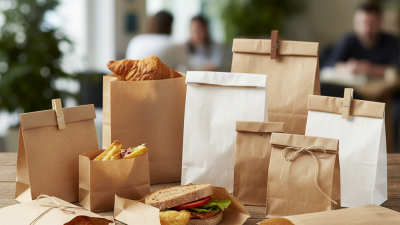
Another common type is the gusseted bag. These bags have expandable sides, providing extra space for bulkier items. They are popular for food packaging or craft supplies. Many buyers overlook the importance of size and weight capacity. A poorly chosen bag can tear easily during use.
Recyclable paper bags are another consideration. These eco-friendly options appeal to environmentally-conscious consumers. However, their durability can vary widely. Some may not hold up under moisture. When choosing, think about the specific needs of your customers. Balancing aesthetics and functionality is key. The wrong bag choice can impact your business image.
Evaluating Size and Capacity for Your Specific Needs
When selecting paper bags, size and capacity are crucial. Think about what you will put inside these bags. A small bag may be ideal for trinkets, while larger ones suit bulkier items. Measure your products carefully. This will help prevent any mishaps when the bags arrive.
Tips: Use a scale to weigh your items. Knowing the weight helps in choosing a bag that can handle them. Overloading a bag can lead to tears. This is often overlooked, leading to a mess.
Consider the bag's intended use. If it’s for food, ensure the size accommodates your portions comfortably. Handle and closure types matter too. A poorly fitted bag can ruin a thoughtful presentation. Many people underestimate the importance of aesthetics. Yet, a well-sized paper bag can enhance your brand’s image.
Tip: Use samples before a bulk order. It allows you to test sizes. Reflect on the feedback. It's about finding the right fit for your needs, even if it takes time.
2026 How to Choose the Best Paper Bags for Your Needs? - Evaluating Size and Capacity for Your Specific Needs
| Bag Type |
Dimensions (inches) |
Capacity (Liters) |
Weight Capacity (lbs) |
Best Uses |
| Grocery Bag |
12 x 7 x 13 |
25 |
15 |
Groceries, shopping |
| Lunch Bag |
10 x 6 x 8 |
10 |
5 |
Lunch, snacks |
| Retail Bag |
14 x 5 x 16 |
20 |
10 |
Retail, gifts |
| Flat Paper Bag |
8 x 4 x 10 |
5 |
3 |
Small items, bakery |
| Wine Bag |
4 x 4 x 14 |
6 |
5 |
Wine, gift |
Examining the Eco-friendliness of Paper Bag Options
Choosing the right paper bags is essential for both usage and environmental impact. Many types of paper bags exist. Some look great but may not be eco-friendly. Others are functional yet less appealing. Understanding the eco-friendliness of these options is crucial.
When evaluating paper bags, consider their source. Bags made from recycled paper have lower environmental costs. This choice reduces waste and promotes sustainability. However, not all recycled bags are created equal. Verify the manufacturing process to ensure they were produced responsibly.
Tips: Always look for certifications like FSC. These labels indicate responsible forestry practices. Avoid bags that may contain harmful dyes or chemicals. Choosing unbleached or naturally colored bags can be a safer option. Check the thickness of the paper as well. Thicker bags can often be reused but may have a greater environmental footprint if not sourced sustainably.
Remember, not all paper bags are truly eco-friendly. Some may be more damaging than plastic when you weigh the total lifecycle impacts. It's essential to remain critical and informed. Reflect on your choices to ensure they align with your values.
2026 How to Choose the Best Paper Bags for Your Needs?
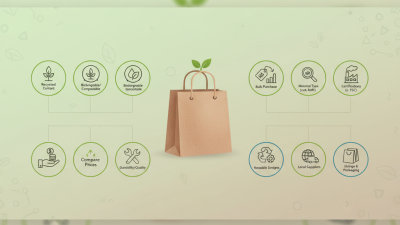
This chart examines the eco-friendliness of various paper bag options based on their recyclability, biodegradability, and sustainable sourcing.
Assessing Durability and Quality for Optimal Use
When choosing paper bags, assess their durability and quality carefully. The right paper bag can significantly enhance your shopping experience. A strong bag will withstand weight without tearing. Look for bags made from thicker paper; they tend to hold up better over time. Test their seams, as weak spots can lead to unwanted spills.
Consider the bag's design as well. Some may look attractive but lack strength. A well-constructed bag should feel sturdy in your hands. Check for reinforced handles; they are crucial for comfort when carrying heavier items. It's frustrating when a bag falls apart unexpectedly, spilling your purchases.
While you may find various options on the market, reflect on what works best for your needs. Not every bag will fit all situations. A bag suitable for groceries isn’t ideal for books. Weigh your choices. Durability and quality are paramount for optimal use, ensuring you don’t face mishaps during your errands.
Determining the Cost-effectiveness of Paper Bag Choices
When selecting paper bags, cost-effectiveness is key. The price of paper can vary widely. Higher-quality paper often comes at a premium. However, investing in better bags can save money in the long run. They last longer and reduce replacement costs.
Consider the intended use of the bags. Are they for retail, groceries, or events? Thicker bags may be needed for heavier items. They ensure strength and durability but increase costs. Additionally, bulk purchasing options can reduce expenses. Compare different suppliers to find the best value.
Quality must meet the needs. Sometimes, cheaper bags fall short. A flimsy bag can lead to customer dissatisfaction. It’s crucial to balance cost with quality. Reflecting on usage patterns can help. Do customers value eco-friendliness? Is branding important? Each choice affects overall satisfaction and efficiency. Finding that perfect match requires careful thought.