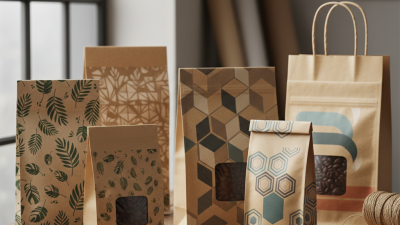
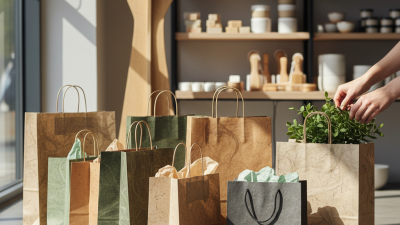
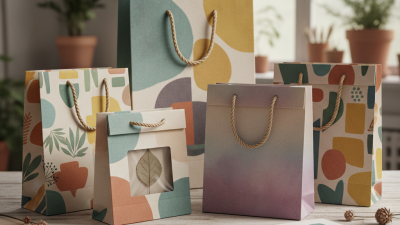
Choosing the right plastic packaging bags can seem overwhelming. With various options available, it's crucial to consider several factors. Each choice significantly impacts your product and brand image.
Think about durability and function. Stronger bags protect contents better. This is important for fragile items. Consider the environment as well. Many consumers prefer eco-friendly options. Using recyclable plastic packaging bags shows commitment to sustainability.
Visual appeal matters too. Attractive designs can enhance product presentation. Yet, price cannot be ignored. Balancing quality and cost is necessary. Reflect on your needs and product type. Each decision defines your brand's identity.
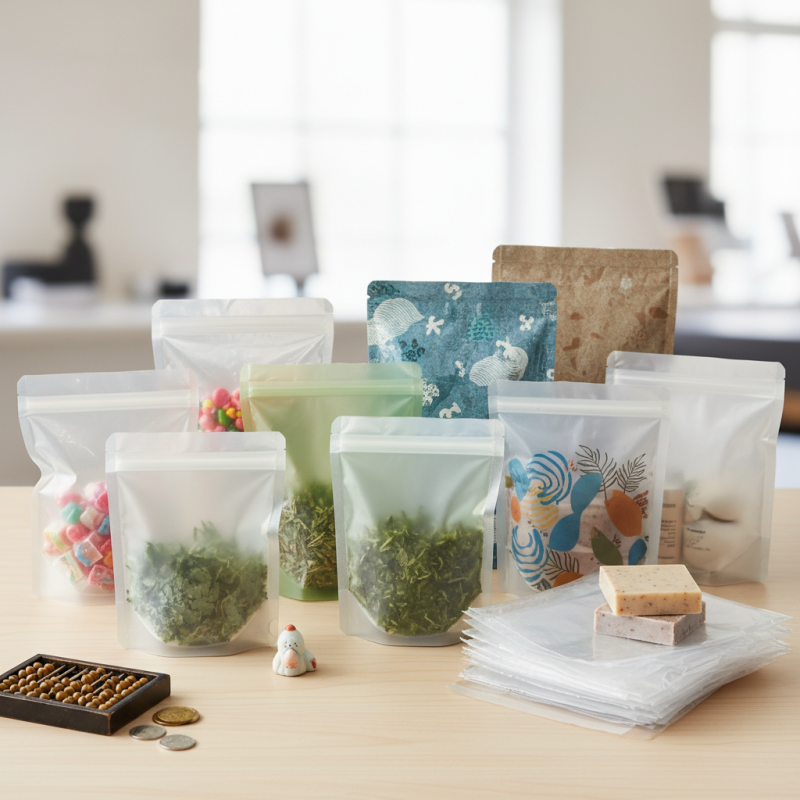
When it comes to plastic packaging bags, a variety of types are available. These bags cater to different needs and industries. Consider options like polyethylene, polypropylene, and multi-layer bags. Each type has unique properties suitable for specific tasks. For example, polyethylene bags are often used for grocery items. Their durability and flexibility make them popular.
However, it’s essential to reflect on the environmental impact of these bags. While they serve their purpose, many contribute significantly to plastic waste. Consumers may overlook this aspect while making a choice. Looking for biodegradable options can be beneficial. The multi-layer bags offer excellent barrier properties, but they can complicate recycling processes.
Evaluating the thickness of the bags is crucial as well. Thicker bags tend to withstand more wear and tear but may be less eco-friendly. Remember that not all bags are created equally. What works for one application might not suit another. This calls for a careful analysis of your specific needs and values. Consider both functionality and sustainability while selecting your packaging solution.
When choosing the right plastic packaging bags, evaluating the
environmental impact is crucial. Many plastics are not
biodegradable. The accumulation of plastic waste in landfills and oceans is alarming. This raises
concerns about wildlife and ecosystems affected by pollution. It’s essential to consider where the packaging
will end up.
Look for materials that are recyclable. Not all
plastics can be recycled effectively, which is often a misconception. Some may degrade or become contaminated.
Evaluate your options and ask about recycling rates. Eco-friendly alternatives, like biodegradable bags, can
help reduce long-term impact.
Think about the bag’s functionality too. A thicker bag might be needed for heavy items. While stronger, such
bags could endure longer in the environment. Each choice carries weight. Reflect on how the decision impacts
nature. Small actions can have big effects,
particularly with plastic.
When selecting plastic packaging bags, size and dimensions are crucial. The right fit can protect your product during transit. Consider the item’s shape and weight. A bag too small may lead to tears. A bag too large might result in unnecessary excess material. Determine the dimensions by measuring your products carefully. Standard sizes are helpful, but custom sizes can offer better solutions.
Try visualizing your final packaging setup. Imagine how the bag will look on shelves. Will it attract customers? Think about the closure method too. A proper seal secures the contents. There’s a delicate balance between form and function. Sometimes, dimensions that seem adequate can still fall short with real-world use.
You might find that the bags lack durability under stress. Always estimate risks. Packaging decisions should not be rushed. A clear understanding of your needs ensures positive results. Regularly evaluate your choices and stay flexible. Adapting to feedback can enhance your packaging strategy.
| Tip Number | Tip Description | Recommended Size (inches) | Typical Uses |
|---|---|---|---|
| 1 | Consider the product dimensions for perfect fit. | 12 x 10 | Clothing, small electronics |
| 2 | Factor in the weight of the contents. | 16 x 20 | Books, heavier items |
| 3 | Choose the right thickness based on usage. | 10 x 14 | Food items, groceries |
| 4 | Assess the sealing type for your items. | 18 x 24 | Bulk items, package logistics |
| 5 | Look for customization options to enhance branding. | 14 x 16 | Promotional items, giveaways |
| 6 | Ensure material compatibility with contents. | 10 x 15 | Chemicals, sensitive products |
| 7 | Evaluate environmental impact and recyclability. | 12 x 18 | Sustainable products, eco-friendly brands |
| 8 | Check for FDA compliance for food packaging. | 9 x 12 | Food packing, catering |
| 9 | Consider usability features like handles or zippers. | 15 x 20 | Shopping, exhibitions |
| 10 | Weigh cost against quality for budget considerations. | 8 x 10 | General packaging, everyday use |
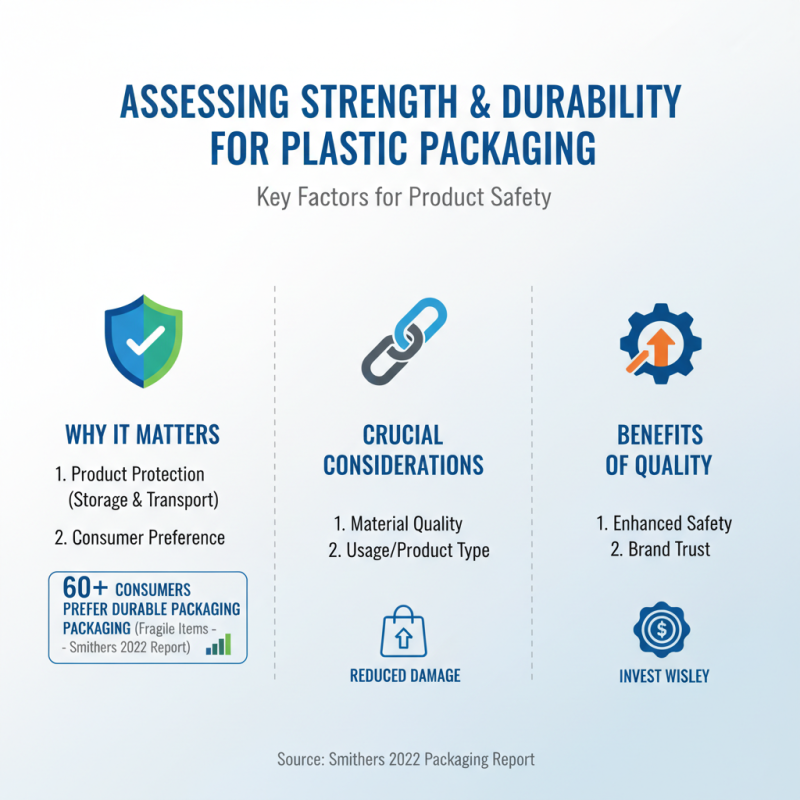
When selecting plastic packaging bags, evaluating strength and durability is crucial. The right choice ensures your products are safe during storage and transport. According to a 2022 report by Smithers, over 60% of consumers prefer durable packaging for fragile items. This means investing in quality materials is non-negotiable.
One essential tip is to consider the load-bearing capacity of the bags. A lightweight bag may save costs initially but could fail during transit. Assess the weight of your products. You may need thicker, multi-layered bags for heavier items. Many suppliers offer samples; testing them can reveal how they hold up under pressure.
Another critical factor is resistance to environmental conditions. If your products are sensitive to moisture, choose bags with moisture barriers. A study indicated that improper packaging can lead to up to 30% product loss. Think about potential storage situations, like extreme temperatures or humidity. Consider all scenarios for long-term durability.
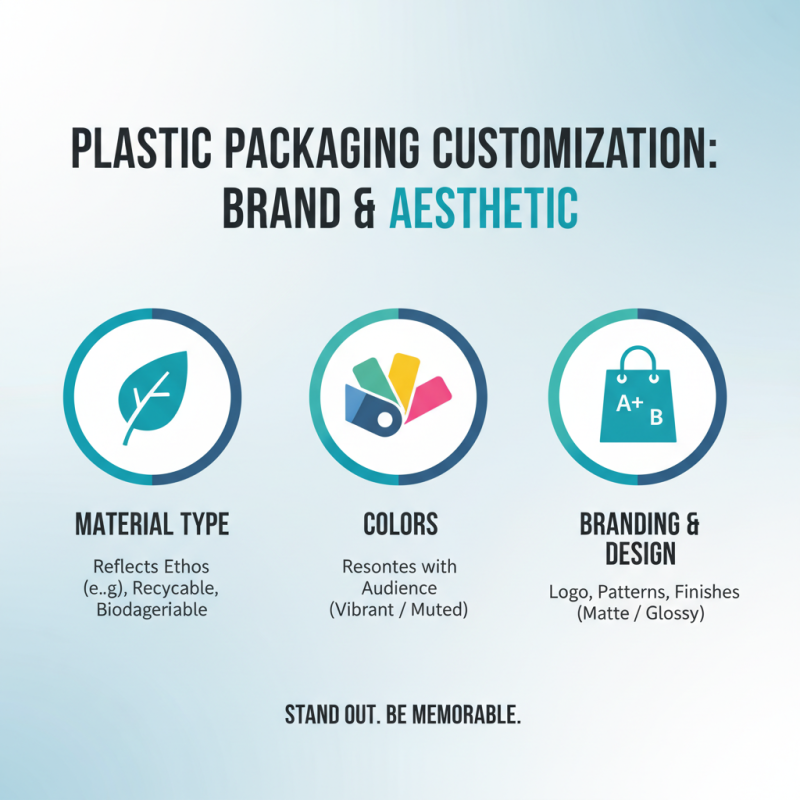
Choosing the right plastic packaging bags can significantly enhance your brand's identity. Customization is a key element for standing out. Consider the type of material that reflects your brand ethos. Think about the colors that resonate with your audience. Vibrant hues can attract attention, while muted shades offer sophistication.
Logo placement is crucial. It should be visible but not overpowering. A subtle design can create an elegant look. Test different layouts before finalizing. Packaging bags can also feature unique shapes or closures. These details can make your products memorable.
When defining your packaging’s aesthetic, keep functionality in mind. A beautiful design should not sacrifice usability. Comfortable handles or easy-to-open seals can enhance the customer experience. Don’t forget about size options. A well-sized bag reduces waste and shows consideration for the environment. Reflect on your design choices. A good bag should tell your brand story while serving its purpose effectively.