How to Effectively Passivate Stainless Steel for Longevity?
Passivating stainless steel is crucial for enhancing its longevity and performance. Renowned expert Dr. Jane Thompson, who specializes in metallurgical engineering, emphasizes, "Proper passivation protects stainless steel from corrosion and extends its life significantly." This reflects the industry's understanding of the importance of this process.
In various environments, stainless steel faces challenges. Without passivation, it can develop rust and other forms of damage. Passivation creates a protective oxide layer, which is vital for maintaining the material's integrity. However, many manufacturers overlook this essential step in their processes, risking premature deterioration.
Understanding how to effectively Passivate Stainless Steel is not just about following procedures. It's about recognizing the value of protecting investment. Industry professionals must reflect on best practices and explore innovations in passivation methods to enhance reliability and efficiency. Proper training and ongoing assessment are key to this endeavor, ensuring that the benefits of passivation are fully realized.
Overview of Passivation Process for Stainless Steel
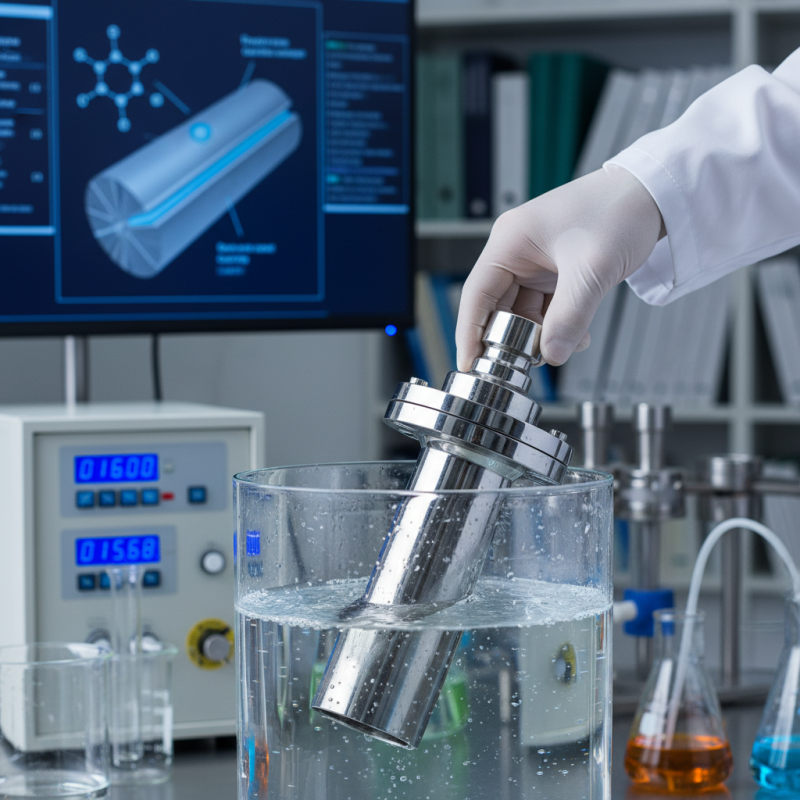
Passivation is a crucial process for enhancing the durability of stainless steel. This procedure primarily involves removing free iron from the surface, which can cause corrosion. To begin, it is essential to clean the stainless steel thoroughly. Use a mild detergent or solvent to remove grease and dirt. Once cleaned, a passivation solution, typically a nitric or citric acid mixture, is applied. This helps in forming a protective oxide layer. The entire process demands precision and care to achieve optimal results.
Tips: Ensure that your cleaning agents do not leave residues. Rinse with deionized water to prevent mineral deposits. Monitor the temperature and concentration of the passivation solution. These factors can greatly impact the effectiveness of the process.
After passivation, it’s essential to inspect the surface. Look for any signs of pitting or discoloration, which could indicate incomplete passivation. If you notice these issues, the process may need to be repeated. Regular maintenance also plays a vital role in the longevity of stainless steel. Periodically checking for wear and environmental factors will help maintain its integrity.
Importance of Passivation for Stainless Steel Longevity
Passivation is a critical process for enhancing the longevity of stainless steel. It involves removing free iron from the surface, which can cause corrosion. This meticulous treatment creates a more passive oxide layer, serving as a protective shield. This layer is crucial for resisting oxidation and rust. Without passivation, stainless steel can suffer from pitting, especially in harsh environments.
However, the effectiveness of passivation depends on several factors. The method used, the chemicals involved, and the condition of the stainless steel all play a role. Each passivation process should be tailored to the specific type of stainless steel involved. It’s important to ensure that the surface is cleaned thoroughly before treatment. Any residue can compromise the passivation layer.
Understanding the science behind passivation can greatly aid in maintenance practices. Over time, stainless steel can develop surface imperfections. Identifying these and acting quickly can prevent further damage. While many assume stainless steel is immune to corrosion, neglecting proper treatment can lead to deterioration. Regular assessments and timely passivation can help achieve optimal durability for stainless steel structures.
Step-by-Step Guide to Passivate Stainless Steel
Passivating stainless steel is crucial to enhance its longevity and corrosion resistance. The process involves treating the metal with an acid solution, typically nitric acid, to remove free iron and enhance the chromium oxide layer. According to a study by the National Association of Corrosion Engineers, properly passivated stainless steel can last up to five times longer in corrosive environments compared to untreated steel.
To begin, ensure the surface is clean. Remove any contaminants like oil or grease. A degreasing agent can help. After cleaning, immerse the stainless steel in the acid solution. The immersion time usually ranges from 20 minutes to over an hour, depending on the thickness and type of steel. Rinse thoroughly with deionized water to prevent any chemical residue. Lastly, air-dry the steel completely.
Tips: Always wear protective gear when handling acids. This ensures safety during the passivation process. Performing a simple water droplet test can help assess the effectiveness of passivation. If water beads up, the layer is likely intact.
While passivation proves beneficial, it is not foolproof. Sometimes, factors like environmental conditions can impact its effectiveness. Regular inspections and maintenance are necessary to ensure longevity. In the field, maintaining a clean environment is as crucial as the passivation process itself. Consider incorporating these factors into your routine maintenance plan.
Common Methods of Passivation in Stainless Steel Maintenance
Passivation is essential in maintaining stainless steel’s longevity. It enhances resistance to corrosion, ensuring durability. There are several common methods for effective passivation. One widely used technique involves using nitric acid. This method cleans and removes contaminants. It also forms a protective oxide layer on the stainless steel surface.
Another effective approach is citric acid passivation. This technique is ideal for minimizing environmental impact. It is also less aggressive than nitric acid but still effective. The treatment promotes a clean surface and improves corrosion resistance. Care should be taken while handling these acids, as safety is paramount in any maintenance task.
While these methods are beneficial, they may not suit all stainless steel grades equally. Different compositions may react differently to passivation treatment. Regular maintenance checks are crucial to ensure optimal performance. There’s always a possibility that some contaminants may remain unnoticed. This underscores the importance of continuous evaluation. A proactive approach can help in identifying any issues early on.
Passivation Methods for Stainless Steel
This bar chart illustrates the effectiveness ratings of various passivation methods for stainless steel, on a scale of 1 to 10. Each method has unique strengths, and this visual representation helps in understanding their comparative effectiveness for enhancing the longevity of stainless steel.
Best Practices for Ensuring Effective Passivation Results
Passivating stainless steel is essential for enhancing its durability and corrosion resistance. The process involves removing free iron and other surface contaminants. One effective method is using citric acid or nitric acid solutions for passivation. These methods ensure a cleaner surface, leading to a thicker and more protective oxide layer.
Effective passivation requires strict attention to detail. Proper surface preparation is critical. The stainless steel must be cleaned thoroughly to remove any residues. Even minor contaminants can affect the passivation outcome. Post-passivation rinsing is also vital to remove any residual chemicals. If not done properly, this can lead to ineffective passivation.
Monitoring the environmental conditions is important, too. Temperature and humidity can play a significant role. High humidity may hinder the drying process after rinsing. It's worth reflecting on previous passivation experiences. Small changes in technique or conditions can lead to notable differences in results. Always evaluate past procedures to improve future practices.


