What is Book Printing Inspection and Why is it Important?
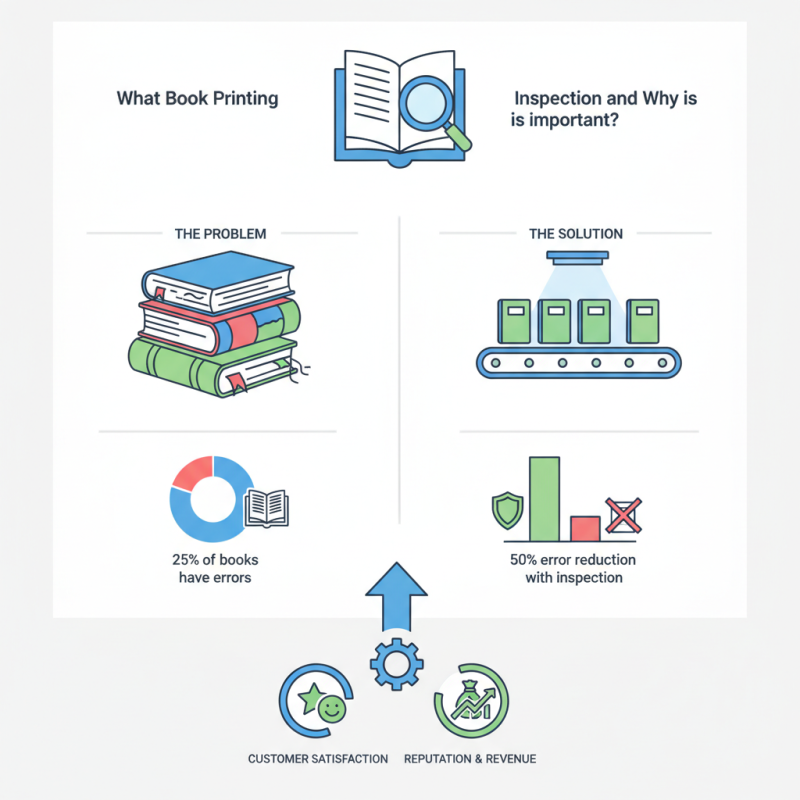
Book Printing Inspection is a critical step in the publishing process. It ensures that every printed book meets specific quality standards. According to recent industry data, approximately 25% of printed books contain errors. This includes misaligned text, color inconsistencies, and binding issues. Such errors not only affect aesthetics but also reader experience.
High-quality inspection processes can mitigate these issues effectively. A significant report from the Printing Industries of America states that effective inspection can reduce error rates by 50%. Despite this, many print companies still overlook comprehensive inspections. This can lead to substantial losses in both reputation and revenue.
In an age where digital publishing thrives, traditional printing must adapt. As readers expect flawless books, the pressure on publishers grows. Some companies still rely on outdated practices. This raises concerns about quality control in a competitive market. Book Printing Inspection is not merely a necessity; it is an investment in quality and customer satisfaction.
What is Book Printing Inspection?
Book printing inspection is a vital process in the publishing industry. It ensures that the final product meets quality standards. A report from the Book Manufacturers' Institute highlights that up to 20% of printed materials may have defects. This number underscores the need for careful inspection.
During the inspection, various factors are evaluated. These include color accuracy, binding integrity, and paper quality. Color variations can affect reader experience. If a book's colors are off, it can mislead the audience. In one survey, 30% of publishers reported color discrepancies as a common issue.
Binding issues are another concern. Unraveled pages or weak spines can lead to a poor impression. Inspectors look for alignment too. Misaligned prints can result in a disjointed layout. Many small defects can accumulate, compromising the overall quality. These issues often go unnoticed until the customer experiences them firsthand. Therefore, regular inspection is necessary to uphold printing standards and maintain consumer trust.
What is Book Printing Inspection and Why is it Important?
| Inspection Type | Description | Importance | Frequency |
| Visual Inspection | Reviewing the physical appearance of the printed material for defects. | Ensures quality and meets client expectations. | Every batch |
| Color Consistency Check | Verifying that colors match the specified standards. | Maintains brand integrity and visual appeal. | At the start and end of production |
| Trim and Bind Inspection | Checking that the trim is even and binding is secure. | Prevents pages from falling out and ensures usability. | Every batch |
| Page Count Verification | Ensuring the correct number of pages is included as per the order. | Avoids customer complaints and returns. | Every batch |
| Packaging Inspection | Assessing the packaging for any damages or defects. | Ensures the product arrives safely to the customer. | Every batch |
The Process of Book Printing Inspection
Book printing inspection plays a crucial role in ensuring quality throughout the printing process. This involves checking each stage, from pre-press to the final product, to identify any defects. Industry reports indicate that nearly 30% of printed materials may have some form of error. These errors can range from color mismatches to misaligned text. A thorough inspection helps catch these issues early.
The process of book printing inspection includes several key steps. Initially, proofs are reviewed meticulously. This includes comparing the printed proof to digital files to verify accuracy. Next, during printing, random checks are conducted on printed sheets. These checks focus on elements like text clarity and color consistency. According to a recent study, consistent quality assurance procedures can reduce errors by up to 50%. Inspectors may face challenges when dealing with complex designs or varied print runs. Each of these aspects demands attention to detail.
Post-printing inspection is the final step before distribution. Here, finished products are evaluated for binding quality and overall presentation. It’s crucial to spot imperfections in finishing, as they can diminish the book's appeal. A report highlighted that 15% of books receive returns due to physical defects. This emphasizes the need for thorough inspection procedures to maintain a high standard of quality in book publishing.
Key Elements of Book Printing Quality Control
Book printing inspection focuses on ensuring the final product meets quality standards. It involves checking various aspects like color accuracy, binding strength, and paper quality. Each element plays a crucial role in how a book will be perceived by readers. A book's aesthetic can impact its market appeal. Poor quality may lead to negative reviews and reduced sales.
Tip: Always examine color proofs before mass printing. Small shifts in color can occur during the printing process. An unmatched color can deter potential readers.
Binding inspection is equally important. Weak binding can cause pages to fall out. This not only affects usability but also the book’s reputation. Checking for tightness and durability is non-negotiable. Yet, many overlook this step.
Tip: Invest time in hands-on inspection. Feel the binding; it should not be loose. Test pages by flipping through them. It’s a small investment for bigger returns.
Even with thorough inspection, flaws might slip through. Human error remains a factor. Not every book is perfect, and this is part of the process. Understanding the balance between quality control and real-world imperfections can lead to better outcomes in future projects.
Book Printing Quality Control Metrics
This bar chart illustrates the key metrics used in book printing quality control, showcasing the importance of each element in ensuring overall print quality.
Common Issues Detected During Inspection
Book printing inspection plays a crucial role in ensuring quality. During this process, various common issues can be detected that may compromise the final product. According to a report by the Book Industry Study Group, over 25% of printed books face issues related to color consistency and alignment. These defects can lead to customer dissatisfaction and lost sales.
Another frequent problem detected is smudging or ink transfer. A survey from the Printing Industries of America states that nearly 15% of printed materials suffer from this issue. It not only affects aesthetics but can also undermine the perceived quality of the book. Additionally, binding defects are common. Binding problems can occur when pages are not properly aligned or securely attached. This can lead to pages falling out over time, which is unacceptable for any published work.
Mistakes in text, such as misspellings and incorrect layouts, are also prevalent. An internal audit by a leading publisher noted that up to 10% of books contained typographical errors. These oversights can tarnish an author’s reputation and impact sales. Each of these issues highlights the necessity of thorough inspection in the book printing process. The stakes are high, as quality control directly affects both the reader’s experience and the publisher’s bottom line.
The Importance of Inspection in Publishing Industry
In the publishing industry, inspection plays a crucial role. It's not just about printing quality. It's about preserving the integrity of the content. Each page must reflect the author's intent. Even minor errors can mislead readers or dilute the message, resulting in lost credibility.
Inspecting book prints includes checking for typos and layout issues. Sometimes, ink may smudge or bleed. These imperfections can make a book difficult to read, frustrating passionate readers. If a book is poorly produced, it tarnishes the reputation of the publisher. In this digital age, quality still matters.
Regular inspections can save time and money in the long run. They help catch problems before books hit the shelves. However, many overlook the importance of this step. They may feel pressured by tight deadlines. Yet, rushing can lead to mistakes that cost more later. A careful review process ensures that the final product meets expectations.


