What are the Best Uses for Aluminum Foil in Your Business?
Aluminum Foil is often seen as a kitchen staple, but its applications in the business world are vast and nuanced. According to a report by Smithers Pira, the global aluminum foil market is projected to reach $37.3 billion by 2027, underscoring its critical role across various industries. As highlighted by industry expert Dr. Jane Holloway, “Aluminum foil is more than a packaging material; it’s a key player in efficiency and sustainability.”
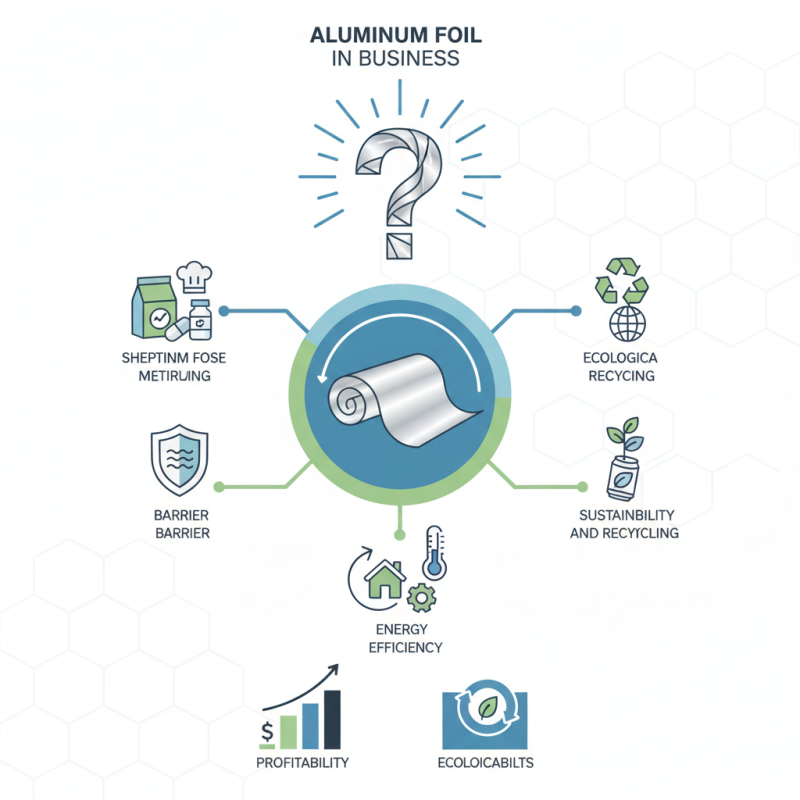
In packaging, aluminum foil offers exceptional barrier properties. This ensures products, especially food and pharmaceuticals, remain fresh and uncontaminated. In construction, its thermal efficiency contributes to energy savings. However, many businesses still underutilize aluminum foil's potential. Some might view it simply as a disposable product, missing its long-term benefits.
Furthermore, ensuring responsible sourcing and recycling processes is vital. The aluminum industry faces scrutiny regarding environmental impacts, urging companies to adopt sustainable practices. While aluminum foil's advantages are clear, the ongoing challenge lies in transforming perceptions to embrace its full potential. This is essential for both profitability and ecological responsibility.
Best Uses of Aluminum Foil in Food Packaging and Preservation
Aluminum foil is a versatile material in food packaging and preservation. Its popularity is partly due to its excellent barrier properties. It protects food from moisture, light, and oxygen. This is crucial for maintaining freshness and extending shelf life. According to a recent industry report, around 80% of food products benefit from aluminum foil packaging.
In addition to extending freshness, aluminum foil is used to heat food efficiently. Its ability to reflect heat can result in quicker cooking times. This efficiency can lead to reduced energy costs for businesses. However, businesses must consider that improper use may lead to uneven heating or food contamination. For instance, placing aluminum foil directly against the heating element can cause issues.
The environmental impact of aluminum foil cannot be overlooked. While it is recyclable, the process requires energy. Many businesses face challenges in balancing sustainability with practicality. As more companies adopt eco-friendly practices, finding sustainable alternatives to aluminum foil is essential. Engaging in these discussions can lead to better decisions in packaging.
Enhancing Cooking Techniques with Aluminum Foil in Culinary Businesses
Aluminum foil is an essential tool in culinary businesses. Its versatility can enhance cooking techniques significantly. Chefs use it to retain moisture during baking. Wrapping meats and vegetables keeps them tender and flavorful. Foil can also help in creating steam pockets. This method improves the texture of dishes. It's a simple change with a big impact.
For grilling, aluminum foil is invaluable. It can create barriers to prevent delicate foods from falling through the grates. Using foil pouches allows for even cooking. However, not every chef embraces this method. Some believe it alters the flavor of the food. This perspective is worth considering. Understanding both sides leads to better kitchen practices.
When it comes to storage, aluminum foil shines again. Wrapping food prevents freezer burn. It maintains freshness and quality over time. Yet, not all businesses use it effectively. Some overlook the importance of proper wrapping techniques. Mistakes like not sealing edges well can result in food spoilage. Reflecting on these aspects can enhance operational efficiency.
Utilizing Aluminum Foil for Efficient Cleaning and Maintenance Tasks
Aluminum foil is a valuable tool for efficient cleaning and maintenance tasks in any business. It can easily be used to protect surfaces while cleaning. Covering kitchen counters or equipment prevents scratches and makes post-cleaning tasks effortless. When you’re finished, simply remove the foil and dispose of it. This minimizes the need for scrubbing and saves time.
Another great use is for polishing stainless steel appliances. Wrap some foil around a sponge for an effective scrubbing tool. The foil easily removes stains and grime without scratching the surface. This not only keeps the appliances looking new but also maintains hygiene standards in food-related businesses.
Tips: Always test a small area first before using foil on surfaces. This ensures no damage occurs. In addition, try to recycle used aluminum foil whenever possible. It’s eco-friendly and contributes to a sustainable working environment. Although time-saving, remember that excessive use may lead to waste, so aim for balance in application.
Creative Marketing Strategies Using Aluminum Foil as Promotional Material
Aluminum foil can be a unique promotional material for businesses looking to stand out. Many marketers underestimate its potential. Using aluminum foil creatively can capture attention in memorable ways. Its shiny surface reflects light, making it visually appealing.
Consider using aluminum foil to create eye-catching packaging for your products. Reflective elements can highlight your brand in stores. Foil-wrapped giveaways can add a fun twist, drawing people in. For example, you might create custom aluminum foil balloons for events, allowing your brand to float into consumer awareness.
Tips: Engage your audience by inviting them to share their experiences with foil-wrapped items. Use colors and designs that resonate with your brand’s personality. Experimenting with different shapes and sizes could yield unexpected results. Imperfections can also tell a story, showcasing the handmade aspect of your promotional items. Embrace the unpredictability; not every idea will work perfectly, but that's part of the learning process.
Cost-Effective Solutions: Reducing Waste with Aluminum Foil Recycling Practices
Aluminum foil is widely recognized for its versatility in various industries. However, its role in sustainability is gaining more attention. Many businesses are now exploring aluminum foil recycling practices to reduce waste. According to a report from the Aluminum Association, recycling aluminum foil can save up to 95% of energy compared to producing new foil. This statistic highlights the potential cost savings for businesses looking to adopt greener practices.
One significant aspect of recycling aluminum foil is its impact on waste management. The EPA reports that around 1.7 million tons of aluminum foil waste is generated annually in the U.S. By implementing proper recycling methods, companies can significantly decrease their environmental footprint. Simple practices, like setting up designated recycling bins, ensure foil waste does not end up in landfills.
Moreover, challenges remain. Many businesses struggle with the cleanliness of foil before recycling. Contaminants can render the material unrecyclable. This highlights the need for training staff on proper disposal techniques. While aluminum foil presents excellent recycling opportunities, it is essential to address these hurdles to maximize its benefits effectively. This dual focus on sustainability and efficiency can lead to long-term financial advantages for businesses looking to improve their environmental practices.
What are the Best Uses for Aluminum Foil in Your Business? - Cost-Effective Solutions: Reducing Waste with Aluminum Foil Recycling Practices
| Use Case | Benefits | Recycling Potential | Cost Savings |
| Food Packaging | Keeps food fresh, safe from contamination. | Highly recyclable, reducing landfill waste. | Reduces food spoilage costs. |
| Insulation | Improves energy efficiency by reflecting heat. | Can be recycled as scrap metal. | Lower heating and cooling expenses. |
| Cleaning | Easily removes grime and dirt from surfaces. | Reuse for multiple cleaning tasks. | Saves on cleaning supplies. |
| Craft Projects | Versatile material for various DIY projects. | Can be recycled after use. | Inexpensive alternative to specialty craft supplies. |
| Embossing and Decoration | Adds texture and shine to products. | Recyclable, promoting sustainable practices. | Enhances product value at low cost. |


