16 Oz Beer Can Buying Tips for Global Wholesale Purchasers?
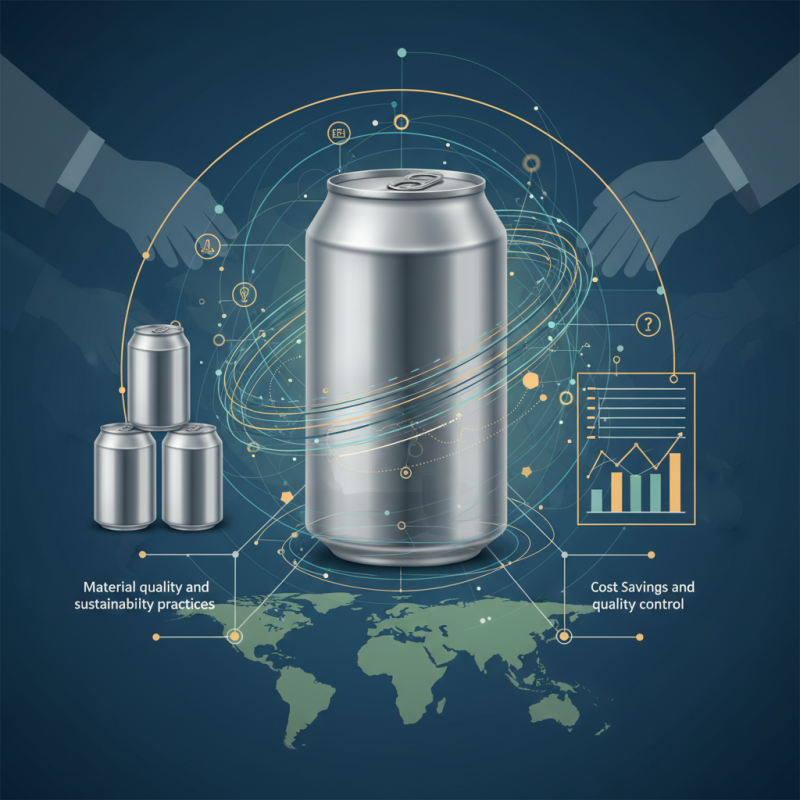
When it comes to purchasing 16 Oz Beer Cans, global wholesale buyers face unique challenges. Understanding the market dynamics and nuances is essential. The right sourcing strategies can lead to significant cost savings and improved quality control. Buyers must consider regional preferences, packaging standards, and supplier reliability.
Selecting the ideal 16 Oz beer can goes beyond simple aesthetics. It involves assessing material quality and sustainability practices. Each element plays a role in ensuring customer satisfaction. For example, lightweight cans reduce shipping costs yet must retain structural integrity. The choice of supplier significantly impacts the overall experience.
Wholesale purchasers should reflect on their specific needs and market trends. Asking questions about customization options is crucial. Striking a balance between price and quality often requires careful analysis. Ultimately, informed decisions will lead to better long-term partnerships and brand reputation in the competitive beverage market.
Understanding Global Demand Trends for 16 Oz Beer Cans
Understanding global demand trends for 16 oz beer cans reveals crucial insights for wholesale purchasers. The craft beer market continues to grow, driving higher demand for 16 oz cans. According to a 2023 report by IWSR, global beer consumption increased by 1.6% last year, with canned beer representing a significant portion of that growth. This shift highlights the need for flexible sourcing strategies.
Tips for buyers include staying aware of regional preferences. In North America, consumers favor convenience, often opting for 16 oz cans for outdoor events. Conversely, markets in Europe may lean towards traditional bottle options. Adjusting inventory to match these preferences can enhance sales.
Another trend is the increasing emphasis on sustainable packaging. Many consumers now seek environmentally-friendly options. A recent Nielsen report indicated that 73% of consumers are willing to pay more for sustainable packaging. Therefore, evaluating suppliers based on their environmental practices can prove beneficial.
Wholesale buyers should also consider seasonality. Demand often spikes during summer months. Keeping track of seasonal trends can prevent stockouts. Engaging with local breweries might reveal untapped opportunities.
Comparing Material Types: Aluminum vs. Steel Beer Cans
When comparing aluminum and steel beer cans, it's essential to consider various factors. Aluminum cans are lighter and more portable. They cool quickly and provide better protection against light and oxygen. These qualities help preserve the beer’s flavor longer. However, the production process for aluminum consumes significant energy. This raises concerns about its environmental impact.
Steel cans, on the other hand, are heavier. They offer durability during transport. Steel is also recyclable and can have a lower carbon footprint if sourced locally. Yet, steel cans are less effective at blocking light. This can lead to flavor degradation over time. Some consumers point out that they can feel a metallic taste.
Purchasers should weigh these factors against their needs. Think about shipping costs, product freshness, and recycling options. Choosing the right material can influence both quality and sustainability. There’s no one-size-fits-all solution. Each material comes with its strengths and weaknesses. Reflecting on these can lead to more informed purchasing decisions.
Evaluating Cost-Effectiveness in Bulk Purchases of Beer Cans
When considering bulk purchases of 16 oz beer cans, evaluating cost-effectiveness is crucial. According to industry reports, large-scale buyers can save up to 25% when purchasing in bulk. The average cost per can reduces significantly, allowing companies to optimize their budgets. However, hidden costs can arise during transportation and storage. Always assess these factors before finalizing an order.
Tip: Understand local market trends. Prices can fluctuate based on demand and supply. Keeping abreast of market conditions ensures better negotiation with suppliers. If you discover the market is overstocked, prioritize your purchases during that period.
Quality assurance is another critical component in bulk buying. Reports from beverage associations indicate that can defects can affect up to 3% of shipments. Conducting thorough inspections is essential. Remember, saving on cost shouldn't compromise quality. Always maintain a balance between price and product integrity.
16 Oz Beer Can Buying Tips for Global Wholesale Purchasers
| Region | Average Cost per Can ($) | Minimum Order Quantity (Cans) | Shipping Cost per Order ($) | Lead Time (Days) |
| North America | 0.50 | 500 | 200 | 15 |
| Europe | 0.60 | 300 | 250 | 20 |
| Asia | 0.45 | 1000 | 150 | 30 |
| Australia | 0.55 | 400 | 180 | 25 |
Analyzing Regulatory Standards for Beer Can Packaging Worldwide
When purchasing 16 oz beer cans globally, regulatory standards are crucial. Each country has unique requirements impacting packaging. For instance, labeling laws differ significantly. Some regions demand nutritional information, while others require detailed ingredient lists. Non-compliance can lead to shipment delays.
Material restrictions also play a role. Certain countries have regulations against harmful substances in packaging. Understanding these rules is essential to avoid pitfalls. Not all suppliers may be aware of these specifics, which creates challenges for buyers. Engaging with experts in international packaging regulations can provide valuable insights.
Additionally, environmental regulations are increasingly important. Many countries emphasize sustainable packaging solutions. This trend pushes manufacturers to adopt eco-friendly materials. However, balancing cost and compliance can be tricky. Companies must reflect on their strategies to ensure they meet local demands without sacrificing quality and budget.
Exploring Sustainable Practices in Beer Can Manufacturing and Procurement
The beer can manufacturing industry is evolving. Sustainable practices are now at the forefront. A report from the European Aluminium Association highlights that beer cans are 100% recyclable. This makes them an important option for environmentally-conscious breweries and buyers. By using recycled materials, manufacturers can lower energy consumption by up to 95%.
For global wholesale purchasers, understanding the sustainability of beer can procurement is crucial. Consider the lifecycle of the can. This includes sourcing raw materials, production, and final recycling. Some manufacturers now use water-based inks and coatings. This reduces harmful emissions significantly.
Tip: Look for suppliers who prioritize sustainability. Verify their certifications and practices. Data from the Beverage Industry Association shows that 72% of consumers are more likely to purchase from brands that emphasize eco-friendliness. Furthermore, assess your own buying habits. Are you considering the environmental impact of each purchase? Small changes can lead to substantial benefits. It's not just about the product; it’s about the planet.
16 Oz Beer Can Procurement Trends and Sustainable Practices


